The Future of OpenBMC is Here
A Meetup Hosted by Meta and AMI
00
Days
00
Hours
00
Minutes
00
Seconds
Learn. Connect. Advance.
OpenBMC is fragmented — and the ecosystem is feeling it. Vendor-specific, silicon-specific, and user-specific forks have multiplied, creating an unsustainable burden for maintainers chasing patches upstream and a management challenge for cloud and neocloud operators running heterogeneous fleets at scale. It's time to change that!
This meetup brings together the community and the leading designers behind some of the world's largest OpenBMC deployments to tackle problems head-on — and chart a path toward a faster, more secure, and more unified OpenBMC ecosystem.

Learn. Connect. Advance.
OpenBMC is fragmented — and the ecosystem is feeling it. Vendor-specific, silicon-specific, and user-specific forks have multiplied, creating an unsustainable burden for maintainers chasing patches upstream and a management challenge for cloud and neocloud operators running heterogeneous fleets at scale. It's time to change that!
This meetup brings together the community and the leading designers behind some of the world's largest OpenBMC deployments to tackle problems head-on — and chart a path toward a faster, more secure, and more unified OpenBMC ecosystem.
Discover. Connect. Celebrate.
Join over 55 leading industry experts and thousands of peers from around the world in San Francisco for the 2023 Apex Summit. During this three-day event, you'll discover the latest industry tactics, trends, and technology, learn how to level up your methods from experts, and build your network in a laid-back, fun environment.
The Agenda
This meetup is specially designed to deliver insights on the pain points and opportunities surrounding the evolution of OpenBMC. Our afternoon agenda will be driven by topics from the community, and you are invited to select the sessions that are most important to you! The event will be offered both in person and live streamed.
In person capacity is limited, so please be sure to register today and reserve your spot!
Tuesday, May 19, 2026
Doors Open: 8:30am - 9:00am
Session Times: 9:00am - 4:25pm
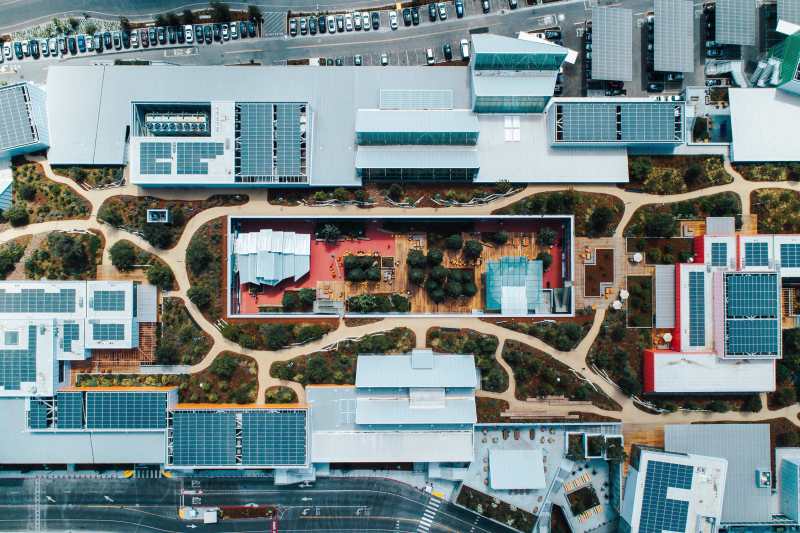
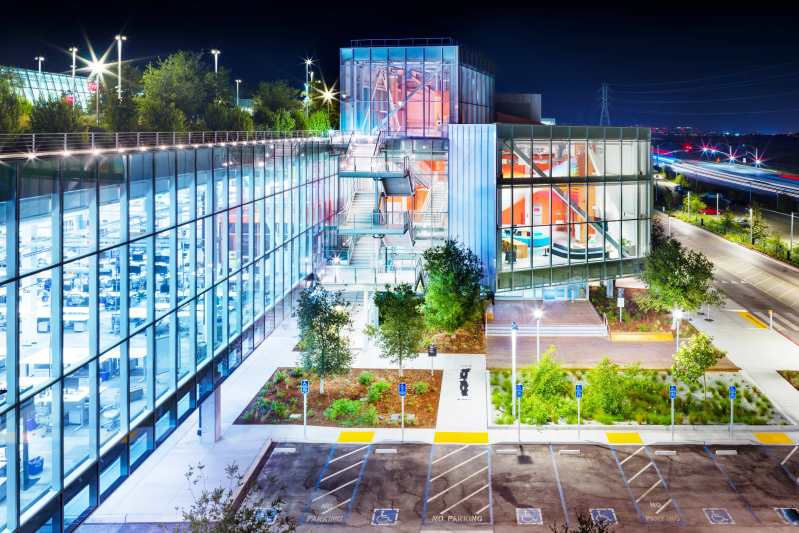
Meta Campus
Menlo Park
|
8:30am – 9:00am
Doors Open
|
|
|
9:00am – 9:30am
Welcome – The Key Opportunities for the OpenBMC Community
|
|
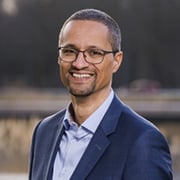
| Session Speaker: Patrick Williams – Software Engineer, Meta Session Abstract: The OpenBMC ecosystem has reached an inflection point — fragmentation across vendor, silicon, and user-specific forks is slowing innovation and compounding the maintenance burden for engineers and operators alike. This opening keynote, delivered by Meta, makes the case for a structured global community of partners committed to shared development practices, upstream alignment, and collective ownership of the OpenBMC roadmap. Together, we examine what that community could look like, what it would take to build it, and why the time to act is now. |
|
|
9:30am – 10:00am
Commitment to Open Innovation
|
|
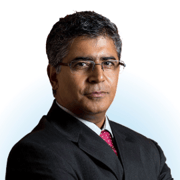
| Session Speakers: Zachary Bobroff – Chief Product Officer, AMI Session Abstract: The AI data center era demands a fundamental re-architecture of firmware — one built on open innovation, secure resilient control, and fleet-scale operational confidence. In this opening keynote, AMI CEO Sanjoy Maity outlines how AMI is repositioning as the definitive platform for data center command and control, and why open source collaboration across silicon vendors, CSPs, and the OCP community is the only viable path forward for managing heterogeneous AI infrastructure at scale. |
|
|
10:00am – 10:30am
Top Challenges in Heterogeneous Management
|
|
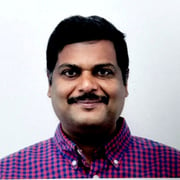
| Session Speakers: Thirupathaiah Annapureddy – Partner Software Engineering Manager, Microsoft Dhananjay Phadke – Principal Software Engineer, Microsoft Session Abstract: Managing heterogeneous fleets of systems at cloud and neocloud scale exposes the real cost of a fragmented OpenBMC ecosystem — inconsistent interfaces, divergent firmware stacks, and security patching cycles that struggle to keep pace with upstream. This session surfaces the top challenges engineers and operators face when maintaining diverse hardware environments under a unified management framework. Attendees will leave with a clearer picture of where the ecosystem is breaking down and what architectural approaches are emerging to address it. |
|
|
10:30am – 10:45am
Break
|
|
|
10:45am – 11:15am
A Silicon Perspective for Data Center Control Plane Delivery
|
|
| Session Speaker: Ed Tanous – Principal Firmware Architect, NVIDIA Session Abstract: The decisions made at the silicon level have profound and often underestimated implications for how the data center control plane is architected, delivered, and maintained. This session examines the intersection of silicon design and BMC firmware strategy, exploring how hardware choices shape — and sometimes constrain — control plane capabilities across large-scale deployments. Attendees will gain insight into how closer alignment between silicon vendors and the OpenBMC community can accelerate delivery and reduce downstream integration complexity. |
|
|
11:15am – 12:15pm
Panel Discussion / Managing Systems at Scale
|
|
| Session Speakers: Zachary Bobroff – Chief Product Officer, AMI Patrick Williams – Software Engineer, Meta Ed Tanous – Principal Firmware Architect, NVIDIA Session Abstract: The challenges of managing OpenBMC deployments at cloud and neocloud scale touch every dimension of the ecosystem, from firmware architecture and security patching to heterogeneous fleet management and control plane delivery. This panel brings together the voices from across the morning's sessions for a frank, cross-disciplinary conversation about what it actually takes to operate and maintain large-scale OpenBMC environments in production. Panelists will draw on their collective experience to surface the hard lessons, emerging best practices, and the community-level commitments that will be required to move the ecosystem forward together. |
|
|
12:15pm – 1:15pm
Lunch
|
|
|
1:15pm – 1:55pm
Minimal BMC requirements. BMC Vision Statement for the Next 5 Years
|
|
| Deep Dive Speakers: Nirav Shah – BMC Firmware Architect, Intel Jason Bills – Sr. BMC Firmware Engineer, Intel Deep Dive Abstract: As the demands on BMC functionality continue to escalate, spanning security, manageability, telemetry, and interoperability, the industry must align on a clear-eyed definition of what a BMC actually needs to do. This session presents we explore a minimal, well-scoped BMC specification that can serve as a shared foundation for the ecosystem over the next five years. Attendees will hear a principled framework for separating essential capabilities from complexity creep, and a perspective on how agreed-upon minimums can accelerate platform convergence and reduce fragmentation across the supply chain. |
|
|
1:55pm – 2:35pm
Caliptra and BMC TIP: Redefining the Platform Root of Trust
|
|
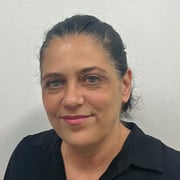
| Deep Dive Speaker: Hila Miranda-Kuzy – BMC SW Application Engineer, Nuvoton Presanna Raman – Manager of Engineering, AMI Deep Dive Abstract: As platform security requirements grow more demanding, the industry is actively debating where root of trust should live. This session examines Caliptra as an open-source silicon RoT specification alongside the emerging role of BMC TIP, exploring the architectural trade-offs of each approach and the downstream implications for the BMC stack. Attendees will come away with a sharper understanding of how these two models intersect, compete, and potentially complement one another in securing modern data center platforms. |
|
|
2:35pm – 2:50pm
Break
|
|
|
2:50pm – 3:30pm
Finding Common Ground: Sideband Protocols and the Future of BIOS/BMC Integration
|
|
| Deep Dive Speaker: Pravinash Jeyapaul – Director of Engineering, AMI Deep Dive Abstract: The landscape of BIOS/BMC sideband communication is defined by inconsistency — with Redfish, MCTP, and MMBI each addressing integration challenges in different and often incompatible ways. This deep dive gives attendees a structured look at how these protocols function, where they diverge, and what the lack of a unified approach means for firmware development and platform interoperability at scale. Attendees will leave with a better understanding of the current protocol landscape and the technical trade-offs that will shape the future of standardized BIOS/BMC integration. |
|
|
3:30pm – 4:10pm
OpenBMC Beyond Compute: Firmware Management for the Full Data Center Stack
|
|
| Deep Dive Speakers Munir Ahmad – Chief Compute Architect, Lattice Wim Rouwet – Senior Principal Engineer, NXP Winston Thangapandian – Senior Director of Engineering, AMI Deep Dive Abstract: OpenBMC was built with compute in mind, but the modern data center demands far more, spanning power shelves, rack managers, liquid cooling systems, and high-speed interconnect pooling devices. This deep dive walks attendees through the architectural considerations and practical challenges of extending OpenBMC management beyond the server, examining how the framework can be adapted to address the full breadth of data center infrastructure. Attendees will leave with a foundational understanding of what it takes to deploy OpenBMC as a unified firmware management platform across a heterogeneous and increasingly complex hardware ecosystem |
|
|
4:10pm – 4:25pm
Closing Summary
|
|
| Session Speakers: Zachary Bobroff – Chief Product Officer, AMI Patrick Williams – Software Engineer, Meta Session Abstract: The final session will summarize the key themes, technical insights, and community discussions from the Meetup and conclude with a look ahead at upcoming priorities, opportunities for continued engagement, and the ways participants can contribute to the evolution of OpenBMC. |
|
|
4:30pm – 6:30pm
Reception
|
|
| All attendees are welcome to join us for post-event happy hour and snacks at Freewheel Brewing Company, located at 3736 Florence Street, Redwood City, CA 94063. |
Our Speakers
Afternoon Deep Dive Session Options
|
Topic 1
Fixing the Fractures: Harmonizing Debug Data Across Silicon Vendors
|
|
| Session Abstract: Building a unified structure for silicon debug data within the Baseboard Management Controller (BMC) requires close collaboration with silicon vendors to harmonize diverse debug methodologies, data formats, and telemetry models. By establishing common schemas and transport mechanisms, this effort enables consistent ingestion, interpretation, and exposure of debug data across heterogeneous platforms. The result is a scalable, vendor‑agnostic framework that improves system observability, accelerates root‑cause analysis, and reduces integration complexity for hyperscale and enterprise environments. |
|
|
Topic 2
Caliptra and BMC TIP: Redefining Platform Root of Trust
|
|
| Session Abstract: As platform security requirements grow more demanding, the industry is actively debating where root of trust should live. This session examines Caliptra as an open-source silicon RoT specification alongside the emerging role of BMC TIP, exploring the architectural trade-offs of each approach and the downstream implications for the BMC stack. Attendees will come away with a sharper understanding of how these two models intersect, compete, and potentially complement one another in securing modern data center platforms. |
|
|
Topic 3
OpenBMC Beyond Compute: Firmware Management for the Full Data Center Stack
|
|
| Session Abstract: OpenBMC was built with compute in mind, but the modern data center demands far more, spanning power shelves, rack managers, liquid cooling systems, and high-speed interconnect pooling devices. This deep dive walks attendees through the architectural considerations and practical challenges of extending OpenBMC management beyond the server, examining how the framework can be adapted to address the full breadth of data center infrastructure. Attendees will leave with a foundational understanding of what it takes to deploy OpenBMC as a unified firmware management platform across a heterogeneous and increasingly complex hardware ecosystem. |
|
|
Topic 4
Finding Common Ground: Sideband Protocols and the Future of BIOS/BMC Integration
|
|
| Session Abstract: The landscape of BIOS/BMC sideband communication is defined by inconsistency — with Redfish, MCTP, and MMBI each addressing integration challenges in different and often incompatible ways. This deep dive gives attendees a structured look at how these protocols function, where they diverge, and what the lack of a unified approach means for firmware development and platform interoperability at scale. Attendees will leave with a better understanding of the current protocol landscape and the technical trade-offs that will shape the future of standardized BIOS/BMC integration. |
|
|
Topic 5
Solving the OpenBMC Fork Problem: A Layered, Modular Architecture Approach
|
|
| Session Abstract: The proliferation of vendor, silicon, and user-specific forks remains one of the most persistent and costly challenges in OpenBMC development, yet the technical foundation for solving it exists and organizations can take advantage of the innovation that is happening in the OpenBMC space. This deep dive walks attendees through a layered, modular architecture approach that cleanly separates hardware-specific customization from shared platform logic, reducing fork dependency and improving upstream alignment. Attendees will leave with practical architectural patterns they can apply to their own OpenBMC development workflows to reduce maintenance overhead and build more sustainably against the upstream codebase. |
Our Speakers


.png?width=350&height=91&name=ami-logo_no-tagline%20(2).png)

.png?width=180&height=180&name=Zachary_Bobroff%20(1).png)


.png?width=330&height=220&name=Untitled-1%20(1).png)